
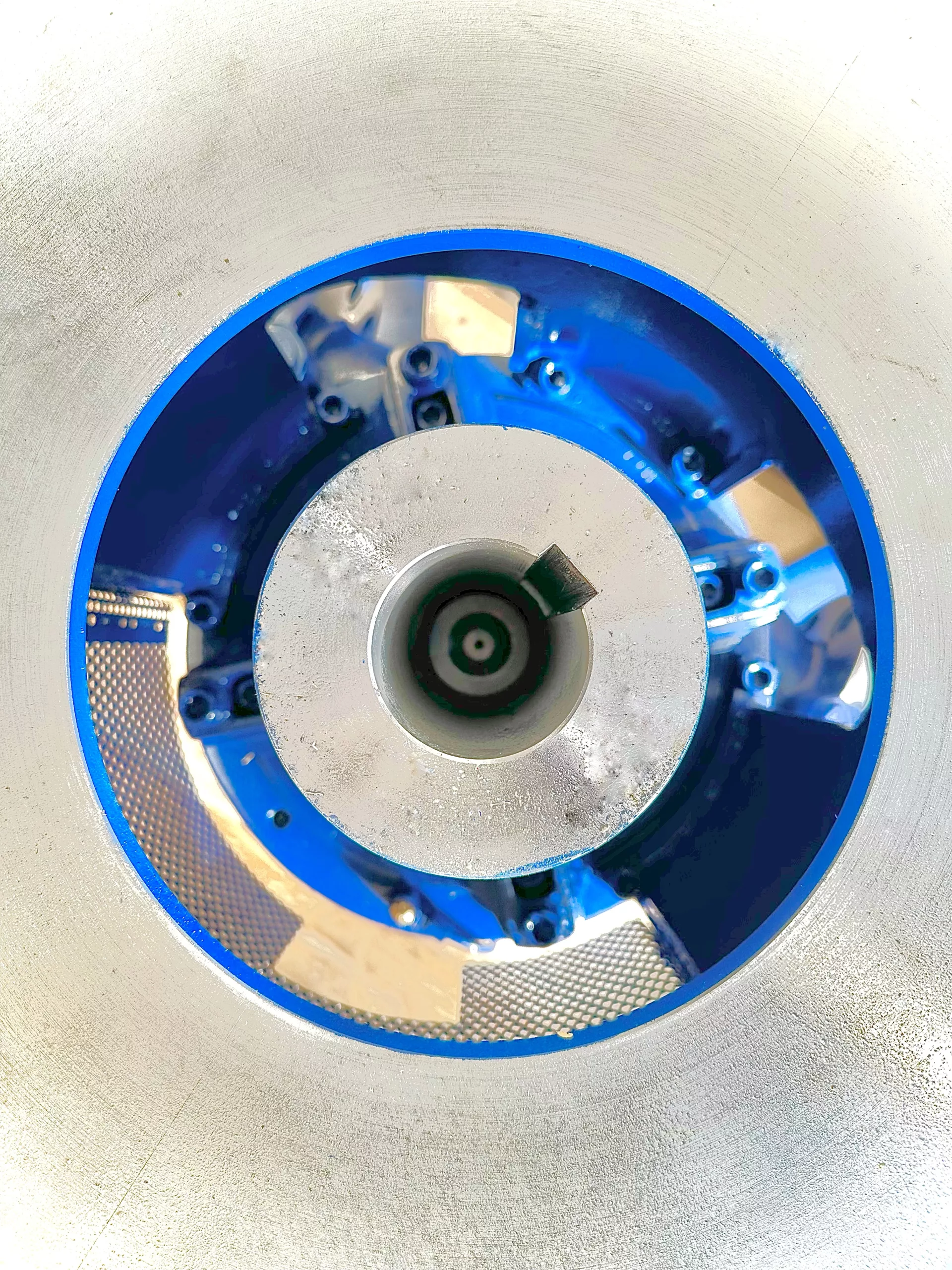
In the high-stakes world of maritime operations, the true cost of a marine pump isn’t the figure on the initial invoice. For technical superintendents and procurement officers, the real challenge lies in the “Total Cost of Ownership” (TCO). From energy consumption to emergency downtime, the “cheap” part often becomes the most expensive mistake a vessel makes.
Whether you are maintaining simple systems or managing a diverse engine room fleet, here is how to optimize your spare parts strategy for long-term reliability.
1. Prioritize Material Compatibility over Brand Names
Many buyers focus strictly on the OEM part number. However, the fluid being pumped—be it seawater, bilge, or heavy fuel oil—dictates the wear rate. When sourcing spare parts, ensure the metallurgy matches the specific environment. Upgrading a mechanical seal or impeller material can often double the mean time between failures (MTBF).
2. The Hidden Cost of “Non-Standard” Lead Times
A pump failure in the middle of a voyage is a logistical nightmare. The best procurement strategy isn’t just about the price of the impeller; it’s about the geographic availability of the distributor. Partnering with suppliers who maintain a robust stock of critical wear parts—bearings, O-rings, and shafts—can save thousands in expedited air freight and port delays.
3. Efficiency is the New Compliance
With EEXI and CII regulations tightening, every kilowatt counts. Worn internal components can reduce pump efficiency by 10-15%. Replacing a degraded impeller or neck ring isn’t just maintenance; it’s fuel saving. A well-maintained pump consumes less power, directly contributing to your vessel’s carbon intensity indicator rating.
4. Predictive vs. Reactive Maintenance
The most successful fleet managers are moving away from “fix it when it breaks.” By utilizing vibration analysis and performance monitoring, you can identify a failing bearing weeks before it seizes. Stocking “minor” repair kits allows your crew to perform preventative overhauls during scheduled stays, preventing “major” catastrophic failures at sea.
5. Technical Support as a Spare Part
A spare part is only as good as the knowledge behind its installation. When sourcing components, choose a partner that offers technical “know-how” and installation guidance. Understanding the specific tolerances and clearance requirements for different pump models ensures the new part doesn’t fail prematurely due to improper seating.
The Bottom Line
Managing marine spare parts is a balancing act between budget and reliability. By focusing on quality materials, logistical speed, and technical efficiency, you protect your vessel’s operational uptime and your company’s bottom line.
METRORAD – Thrust Ahead!